
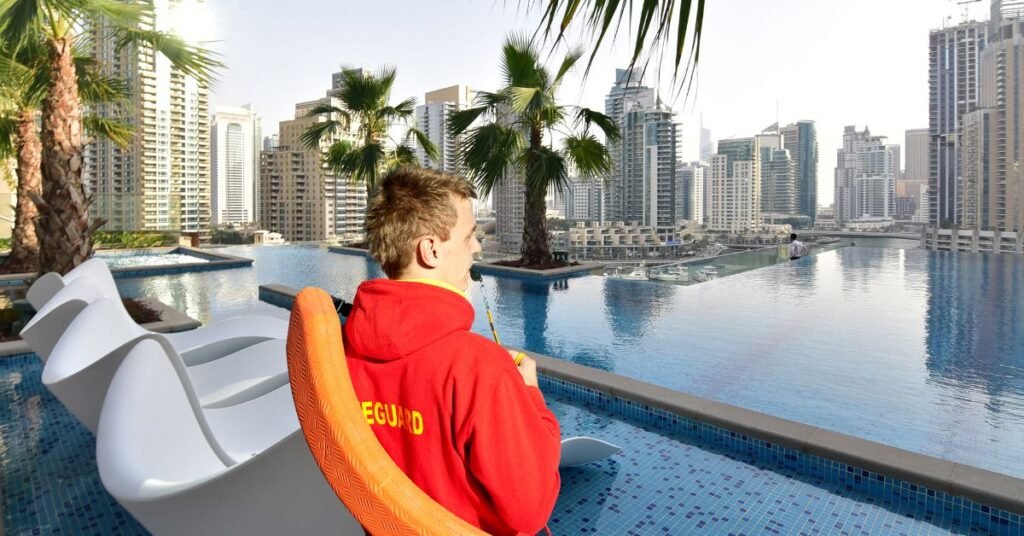
If you’re interested in becoming a lifeguard in Dubai, you’re on the right path toward an exciting and rewarding career. As one of the world’s most popular tourist destinations, Dubai is home to numerous pools in hotels, resorts, and public spaces, all requiring qualified lifeguards to ensure safety. A lifeguard’s primary responsibility is to prevent accidents and respond to emergencies in and around swimming pools. In this detailed guide, we will walk you through the steps on how to get a pool lifeguard license in Dubai, the necessary skills required, and the benefits of being a certified lifeguard in one of the most vibrant cities in the world.
Introduction to Lifeguarding in Dubai
Lifeguarding is a highly regarded profession that requires both physical endurance and the ability to stay calm in emergency situations. Dubai, with its luxurious hotels, high-rise apartments, and busy leisure resorts, is a city where lifeguards are in high demand. Whether you’re interested in working in private pools, public beaches, or even water parks, obtaining a pool lifeguard license in Dubai will open many opportunities in the hospitality and tourism sectors.
To ensure that lifeguards are capable of performing their duties effectively, Dubai follows strict guidelines and regulations. Becoming a certified lifeguard in Dubai is essential for anyone seeking employment in these roles. The certification provides essential knowledge and skills to help save lives and prevent accidents, which makes the process of getting a lifeguard license in Dubai both important and rigorous.
Why is the Pool Lifeguard License Important?
Having a pool lifeguard license in Dubai is not only a professional requirement but also a way to ensure your own safety and the safety of others. It is a way to show employers and clients that you have the necessary skills and knowledge to manage a pool environment, maintain safety protocols, and respond to emergencies.
- Legal Requirements: Dubai has set legal standards for the certification of lifeguards to ensure they meet the skills and safety requirements of the job.
- Career Opportunities: With this certification, you can increase your chances of being hired as a lifeguard at swimming pools, beaches, resorts, and fitness centers.
- Emergency Response: A certified lifeguard can manage various emergency situations effectively, ranging from drowning to providing first aid for injuries.
- Insurance Compliance: Many facilities that operate swimming pools require lifeguards to have formal certification as part of their insurance policy compliance.
What are the Requirements to Get a Pool Lifeguard License in Dubai?
To become a certified lifeguard in Dubai, certain requirements must be met. These include both physical and academic standards, along with the completion of lifeguard training programs approved by accredited organizations.
1. Age Requirement
To be eligible for a pool lifeguard license in Dubai, you must be at least 18 years old. This ensures that candidates have the necessary maturity and physical strength to handle the demands of lifeguarding.
2. Physical Fitness
Lifeguards must be in good physical condition to perform their duties efficiently. Dubai’s lifeguard training programs typically include rigorous physical assessments, such as:
- Swimming a certain distance within a set time (usually 200 meters in under 5 minutes)
- Performing a rescue simulation involving a victim in distress
- Treading water for extended periods
- Running or jogging to demonstrate stamina
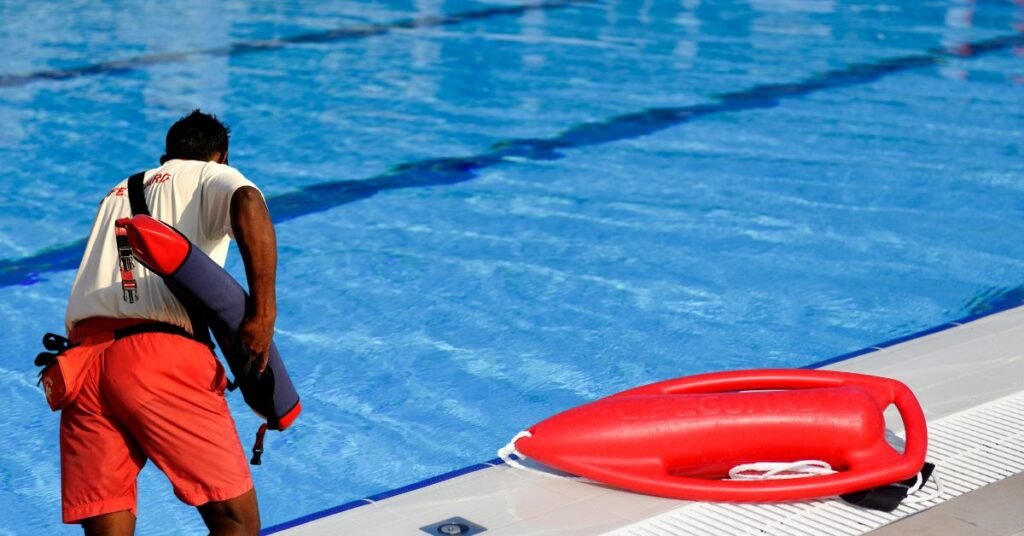
The physical fitness standards ensure that lifeguards can perform swift rescues and maintain a high level of endurance during their shifts.
3. Minimum Education Requirements
While there are no specific academic qualifications required, a basic understanding of English (or Arabic) is essential, as communication is key in emergencies. Many employers in Dubai prefer candidates who have completed high school education.
4. First Aid and CPR Certification
Before becoming a licensed lifeguard, you will need to undergo training in First Aid and CPR (Cardiopulmonary Resuscitation). These certifications are crucial for handling medical emergencies and providing immediate care before professional medical help arrives. The Dubai Health Authority (DHA) or other authorized bodies conduct these programs.
Steps to Get a Pool Lifeguard License in Dubai
Here’s a step-by-step guide on how to get a pool lifeguard license in Dubai:
Step 1: Choose an Accredited Lifeguard Training Provider
The first step in becoming a licensed lifeguard in Dubai is to enroll in an accredited training program. Several organizations and training centers offer lifeguard courses that meet the requirements set by Dubai’s governing authorities.
The Dubai Sports Council (DSC) and Dubai Civil Defence (DCD) are responsible for overseeing the certification process. They work with training organizations to ensure that the programs offered are in line with local safety regulations. Some accredited training providers in Dubai include:
- Red Cross UAE
- Dubai Life Guarding
- National Lifeguard Training School
The courses offered by these organizations typically include theoretical knowledge and practical experience. Make sure the course you select is approved by the Dubai government.
Step 2: Complete the Lifeguard Training Program
The next step is to successfully complete the lifeguard training program. These programs cover a wide range of topics, such as:
- Pool safety rules and regulations
- The physiology of drowning
- Water rescue techniques
- Basic life support (BLS)
- First Aid and CPR
- Emergency response protocols
- Conflict resolution and communication
The courses typically last anywhere from 2-4 weeks, depending on the provider. During the training, you will gain hands-on experience through practice sessions, rescue simulations, and life-saving drills.
Step 3: Pass the Certification Exam
After completing the training program, you will need to pass an exam to demonstrate your knowledge and practical skills. The exam is designed to evaluate your proficiency in both theory and practical life-saving techniques. The exam may include:
- A written test on pool safety, first aid, and CPR.
- A practical test where you will perform a water rescue and demonstrate first aid and CPR skills.
Once you successfully pass the exam, you will be awarded your pool lifeguard certification.
Step 4: Obtain Your Lifeguard License from the Dubai Sports Council (DSC)
After receiving your certification, the next step is to obtain your official lifeguard license. The Dubai Sports Council (DSC) is responsible for issuing the lifeguard license. You will need to submit your certification, along with any other required documentation, to the DSC for approval.
It is important to ensure that your license is renewed regularly, as most lifeguard certifications are valid for 1-2 years. During the renewal process, you may be required to attend a refresher course or retake the physical fitness test.
Step 5: Apply for Lifeguard Jobs in Dubai
Once you have received your pool lifeguard license, you can start applying for lifeguard positions in Dubai. Many employers, such as hotels, resorts, fitness clubs, and water parks, hire certified lifeguards to ensure the safety of their guests and customers.
The requirements for lifeguard jobs in Dubai can vary by employer, but generally, you will need to demonstrate:
- Your UAE lifeguard license.
- Proof of First Aid and CPR certification.
- A medical fitness certificate to show you are physically capable of handling the demands of the job.
Most employers will also require you to undergo a brief induction and orientation training to familiarize you with their specific safety protocols.
Lifeguard Salary in Dubai
The salary of a lifeguard in Dubai can vary depending on factors such as experience, employer, and location. On average, lifeguards in Dubai can expect to earn between AED 2,500 to AED 6,000 per month. However, if you work at luxury resorts or exclusive pools, the salary can be higher, and some employers may provide additional benefits, such as accommodation, food allowances, and health insurance.
Benefits of Being a Lifeguard in Dubai
Becoming a licensed lifeguard in Dubai comes with several benefits, including:
- Job Security: The demand for lifeguards in Dubai is high, given the city’s thriving tourism and hospitality sectors. There are many opportunities for both part-time and full-time lifeguards.
- Competitive Salary: As a lifeguard, you can earn a competitive salary, especially in high-end resorts and clubs.
- Job Satisfaction: Lifeguarding is a fulfilling job because you are directly responsible for the safety and well-being of individuals in and around pools.
- Opportunity for Growth: With the proper certifications, you can move up in your career by becoming a senior lifeguard, trainer, or supervisor. There are also opportunities to expand your career into water safety management.
Conclusion
Getting a pool lifeguard license in Dubai is a rewarding path that combines a passion for water safety with career advancement opportunities. By completing a certified lifeguard training program, passing the necessary exams, and obtaining your official license, you’ll be well on your way to joining the ranks of qualified lifeguards in this bustling city.
Remember, being a lifeguard is not just about watching over people as they swim; it’s about being ready to respond quickly and effectively in emergencies. By following the outlined steps, you’ll not only meet the legal requirements but also gain valuable skills that can make a difference in critical situations. Start your journey today, and help ensure the safety of countless individuals enjoying the pools, beaches, and resorts of Dubai.

