
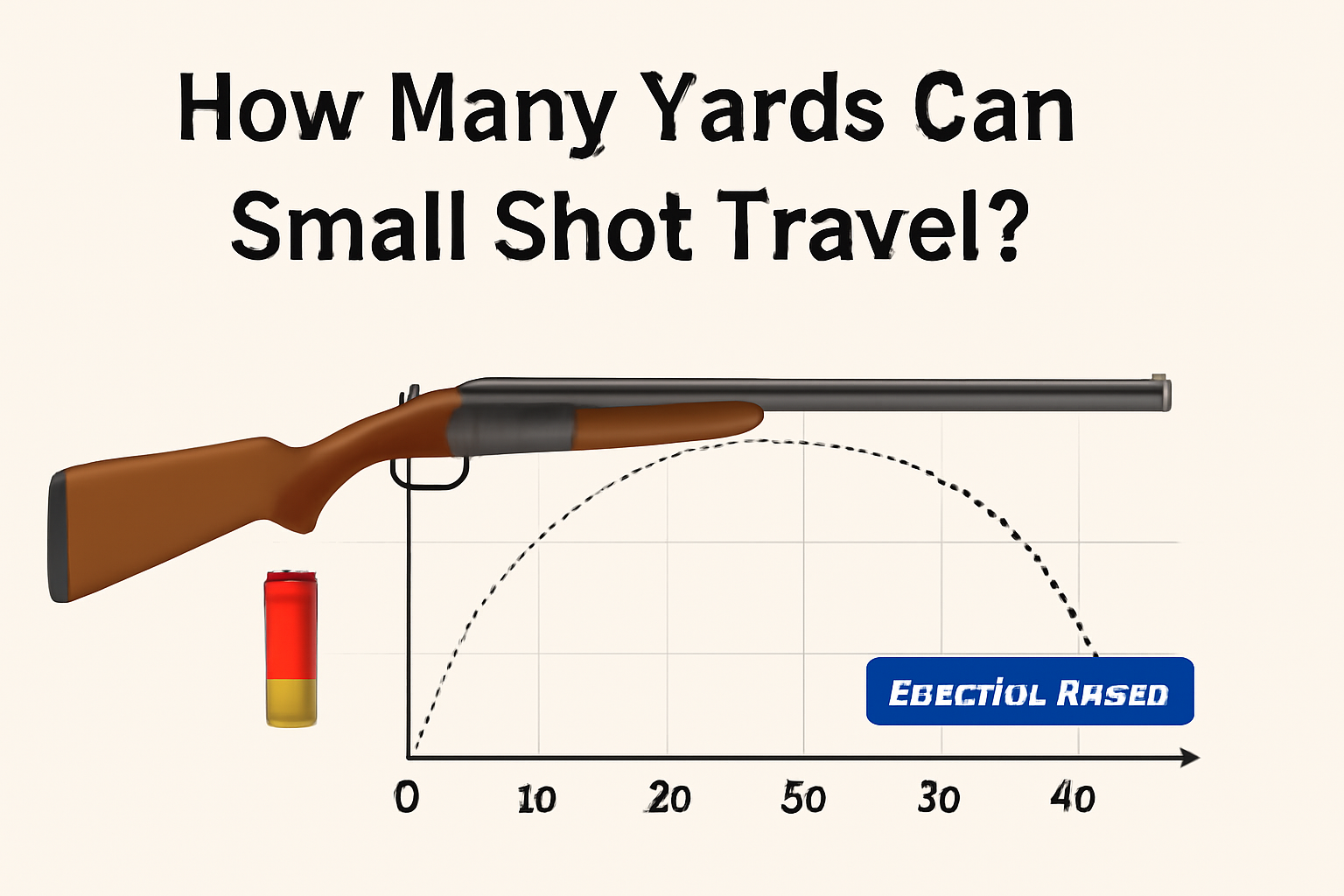
When it comes to shooting sports or hunting, one of the most common questions that arise is, How many yards can small shot travel? Understanding the travel distance of small shot is crucial for ensuring safety, accuracy, and efficiency in various shooting activities. Whether you’re a hunter, a sport shooter, or just curious about ballistics, knowing the effective range of small shot can help you better understand its limitations and optimal usage. In this article, we’ll dive deep into the factors that influence the travel distance of small shot, the best practices to follow, and a lot more. Let’s get started!
What Is Small Shot and Why Does Its Range Matter?
Before diving into the specifics of how many yards small shot can travel, it’s important to first define what small shot is. Small shot refers to pellets used in shotgun ammunition, typically ranging in size from #9 (smallest) to #4 (larger). These pellets are used in various types of shotguns, and the specific size of the shot will play a significant role in determining how far it can travel.
The travel distance of small shot is influenced by several factors, including:
- Shotgun Shell Type: The type of shotgun shell (e.g., birdshot, buckshot) can affect the speed and range of the shot.
- Pellet Size: Smaller pellets (e.g., #9) will travel a shorter distance compared to larger pellets (e.g., #4).
- Barrel Length: Longer barrels tend to provide a higher velocity, thus increasing the range.
- Ammunition Quality: The quality and type of ammunition used can also impact how far the small shot can travel.
The ability to understand these key factors will help you optimize your shooting experience, whether it’s for hunting, skeet shooting, or target practice.
How Far Can Small Shot Travel? Factors to Consider
Shotgun Shells and Their Range
Shotgun ammunition comes in various types, each designed for different purposes. Birdshot, which contains a large number of small pellets, is designed for shooting flying targets like birds. Buckshot, on the other hand, contains fewer, larger pellets designed for bigger game.
- Birdshot Range:
- Small shot like #8 or #9 birdshot typically has a range of about 30 to 40 yards for effective patterns.
- Beyond this distance, the shot tends to spread out too much, making it less effective for hitting moving targets.
- Buckshot Range:
- Buckshot pellets, such as #4 or #00, have a longer range compared to birdshot, typically reaching around 50 to 75 yards for effective targeting.
- Buckshot is used primarily for hunting larger game like deer, and its range depends largely on the choke used in the shotgun.
The Impact of Shotgun Barrel Length
The length of your shotgun barrel can also significantly impact the travel distance of small shot. In general, a longer barrel can help increase the velocity of the shot, allowing it to travel farther. However, there’s a limit to this effect, as the shot will eventually lose momentum after a certain distance.
- Short Barrels (18–20 inches): Typically found in home defense or tactical shotguns, short barrels reduce the overall travel distance of the shot, making them ideal for close-range targets (15-30 yards).
- Medium Barrels (22–26 inches): Ideal for sport shooting and hunting, they offer a balanced range of about 30-50 yards.
- Long Barrels (28–30 inches or more): Found in hunting and competition shotguns, these barrels can provide longer effective ranges of 40-75 yards, especially with buckshot.
Ammunition and Shot Size
- Small Pellets (#9 or #8): The smaller the pellets, the faster they decelerate due to air resistance. These pellets are perfect for small birds and close-range targets, with a range of around 30–40 yards.
- Larger Pellets (#4 to #00): Larger pellets have more mass and are less affected by air resistance, allowing them to travel farther. These are typically used for larger game, with a range of up to 50–75 yards.
Environmental Conditions
Environmental factors like wind, humidity, and air pressure can also influence how far small shot can travel. For example:
- Wind: Wind can either help or hinder the travel of shot depending on its direction and speed.
- Humidity: Higher humidity can increase air resistance, slightly reducing the distance the shot can travel.
- Temperature: Cold air is denser, creating more resistance and reducing the effective range.
Shotgun Choke and Its Effect
The choke of a shotgun determines how tightly the pellets are grouped when they leave the barrel. This directly impacts the effective range of small shot. A tighter choke (such as a full choke) will keep the pellets grouped tightly together, making it more effective at longer distances (up to 40–50 yards for small shot). A more open choke (such as improved cylinder) will result in a wider spread and is more suitable for closer ranges.
Key Insights About Small Shot Range
Pros of Using Small Shot
- Accuracy at Close Range: Small shot is highly accurate at close range, especially with a full choke.
- Lighter Recoil: Smaller pellets create less recoil, making them ideal for new shooters or those who prefer a smoother shooting experience.
- Affordable Ammunition: Small shot tends to be more affordable compared to larger shot sizes, making it a budget-friendly option for practice.
Cons of Using Small Shot
- Limited Range: Small shot typically has a shorter effective range, especially for larger game or long-distance shooting.
- Lower Knockdown Power: Small pellets are less likely to take down larger animals or targets effectively compared to buckshot or slugs.
- Spread Pattern: As the pellets travel farther, they begin to spread out, reducing their likelihood of hitting a moving target.
FAQs About Small Shot Range
Q1: How far can small shot travel effectively?
Small shot, such as #9 or #8 pellets, typically has an effective range of about 30 to 40 yards. Beyond that, the pellets lose velocity and spread out too much to hit the target reliably.
Q2: What affects the range of small shot?
Several factors can affect the range of small shot, including the shotgun barrel length, choke, ammunition type, environmental conditions, and pellet size.
Q3: Is birdshot or buckshot better for long-range shooting?
For long-range shooting, buckshot is better as it contains fewer, larger pellets that maintain velocity over greater distances. Birdshot, being smaller, is better suited for close-range targets.
Q4: Can environmental conditions impact the range of small shot?
Yes, wind, humidity, and temperature can all affect the range of small shot. For instance, strong wind can either extend or reduce the shot’s travel distance, and colder temperatures can increase air resistance.
Q5: How do different choke sizes affect shot range?
A tighter choke results in a more focused pattern, increasing the effective range of small shot. A more open choke spreads the shot more quickly, making it better suited for close-range shooting.
Conclusion: How Many Yards Can Small Shot Travel?
To summarize, small shot typically travels effectively up to 30–40 yards for small pellets like #9 and #8, and up to 50–75 yards for larger pellets like #4 and buckshot. Factors such as shotgun barrel length, choke, ammunition quality, and environmental conditions all play a role in determining the maximum effective range. When choosing the right ammunition and shotgun for your needs, understanding these variables is key to making informed decisions and maximizing your shooting experience. Always remember, safety comes first, and shooting within the effective range ensures the best performance!
more travel blog
Key Takeaways:
- Small shot typically travels 30–40 yards for smaller pellets and up to 75 yards for buckshot.
- Shotgun barrel length and choke play significant roles in determining range.
- Environmental factors like wind and humidity can impact the shot’s distance.
- Larger pellets like buckshot offer longer travel distances than smaller birdshot pellets.
- Always shoot within the effective range for accuracy and safety.

