
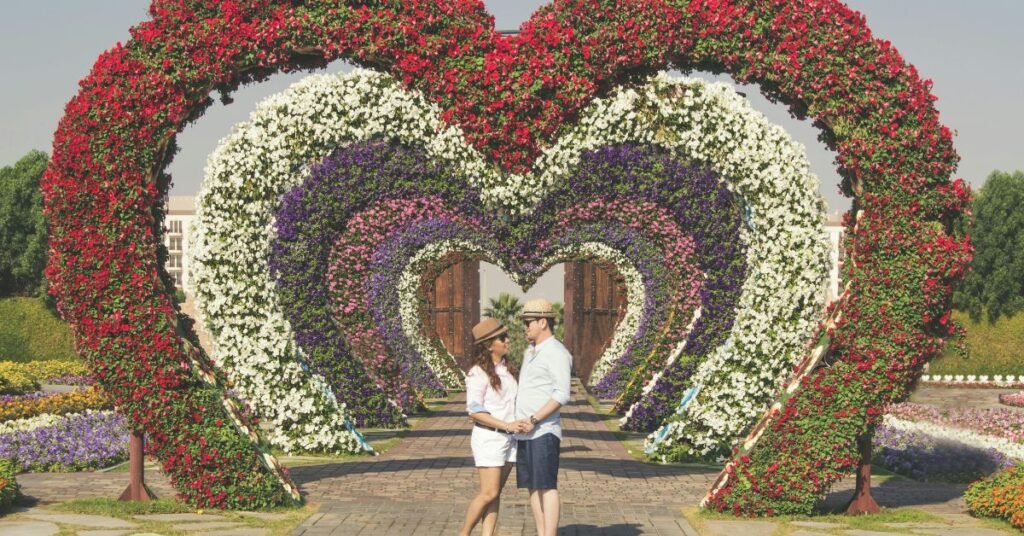
Dubai, the vibrant and bustling metropolis of the United Arab Emirates (UAE), is a city that has become a beacon for expatriates from all over the world. With its stunning skyline, luxurious lifestyle, diverse culture, and booming economy, Dubai offers a unique living experience for foreigners. Whether you’re considering a move to Dubai for work, business, or leisure, it’s essential to understand what life is like for foreigners in this dynamic city.
In this article, we’ll explore various aspects of life in Dubai, including living costs, work culture, expat communities, lifestyle, and the challenges that come with settling in one of the most cosmopolitan cities on the planet. By the end, you’ll have a comprehensive understanding of how to navigate life in Dubai as a foreigner.
Introduction: Dubai – The Land of Opportunities
Dubai has evolved from a small fishing village into a thriving global city over the past few decades. Today, it is a major international business hub, a popular tourist destination, and a diverse city filled with people from different backgrounds and cultures. The rapid growth of Dubai is fueled by its strategic location, modern infrastructure, and economic diversification into industries such as tourism, real estate, finance, trade, and technology.
One of the key reasons why Dubai attracts so many foreigners is its reputation for offering excellent job opportunities, tax-free income, and a lifestyle that is both luxurious and convenient. The city’s open-mindedness, modernity, and emphasis on international business have made it a melting pot of cultures. However, living in Dubai also comes with its own set of unique challenges, especially for newcomers.

Living Costs in Dubai for Foreigners
When it comes to living costs in Dubai, it’s important to understand that while the city offers high salaries and a tax-free income, the cost of living can be quite high. Several factors contribute to the overall expenses, including accommodation, utilities, groceries, transportation, and leisure activities.
Accommodation
Accommodation in Dubai can be one of the largest expenses for foreigners. Rent varies depending on the area, the type of property, and whether you’re living in a shared apartment or a private villa. Popular expat areas like Downtown Dubai, Dubai Marina, and Palm Jumeirah are known for their luxury apartments, but they also come with a hefty price tag. If you prefer more affordable areas, districts like Al Barsha, Jumeirah Village Circle (JVC), and Dubai Silicon Oasis offer a mix of reasonably priced apartments and villas.
Rent in Dubai is typically paid annually in a lump sum or in a few installments, which can be a significant upfront cost. However, there are flexible rent options available, especially in less touristy areas.
Utilities
Utilities such as electricity, water, and air conditioning can add a significant amount to your monthly expenses, especially during the summer months when air conditioning is essential. On average, monthly utility bills in Dubai range between AED 400 and AED 800, depending on the size of the apartment and usage. However, some rental agreements include utilities, so it’s essential to check the terms before signing a lease.
Food and Groceries
Food costs in Dubai can also vary, depending on whether you shop at local markets or international supermarkets. While there are many affordable local options, dining at international restaurants or expat-oriented establishments can be quite expensive. If you prefer cooking at home, you’ll find a wide range of supermarkets that offer both local and imported goods. The cost of groceries in Dubai is comparable to Western countries, but you can save money by shopping at local markets for fresh produce.
Eating out at restaurants can be costly, particularly in Dubai’s luxury hotels and fine-dining establishments. However, Dubai offers a wide range of affordable eateries, with many international chains and local food outlets catering to different budgets. If you’re looking for cheaper options, the city’s diverse street food scene is a great way to try different cuisines without breaking the bank.
Transportation
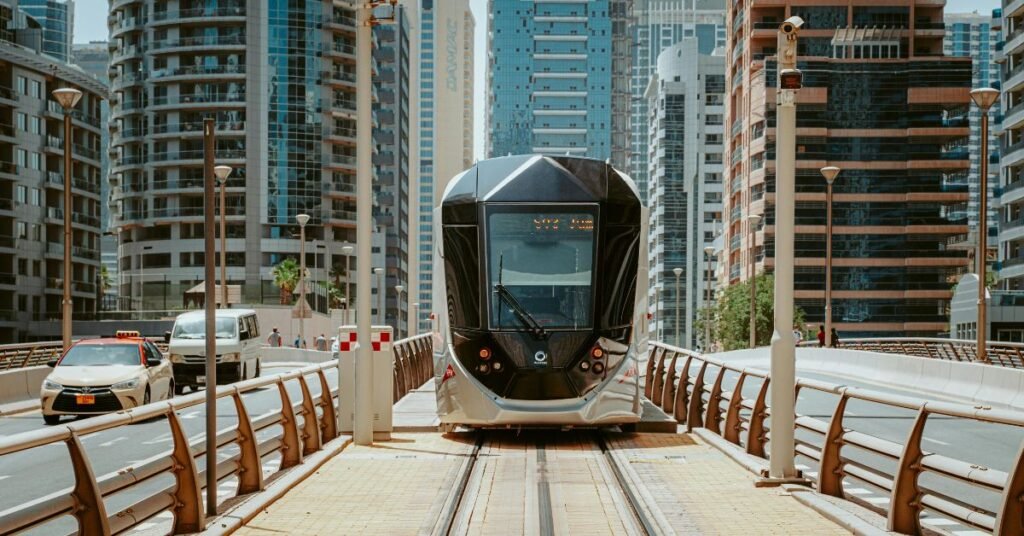
Dubai has a well-developed public transport system, including the Dubai Metro, buses, and taxis. Public transport is affordable, and the Dubai Metro is one of the most efficient ways to get around the city. A Nol card (transport card) is used to pay for metro rides, buses, and even water taxis.
While public transport is convenient, many expats prefer owning a car due to the convenience and availability of parking spaces in most areas. Gasoline is relatively inexpensive, but you’ll need to factor in insurance, registration, and maintenance costs when owning a car. Additionally, toll fees for driving on certain roads may apply.
Work Culture and Employment Opportunities for Foreigners
Dubai’s thriving economy and rapid development make it an attractive destination for foreign workers, particularly in industries such as real estate, finance, technology, and tourism. The city’s liberal economic policies and tax-free income are key factors that draw professionals from all over the world.
Job Market
Foreigners make up a significant portion of Dubai’s workforce. While the job market can be competitive, there is a constant demand for skilled workers in fields such as engineering, IT, marketing, healthcare, and hospitality. The government has also introduced initiatives to attract talent in sectors like artificial intelligence (AI), blockchain, and green energy, making Dubai an attractive option for tech professionals.
Foreign workers are typically employed on a contract basis, with the employer providing a work visa and residency permit. As a result, expats are bound by employment laws that regulate working hours, wages, and employee benefits. In Dubai, the workweek is typically 48 hours, with a two-day weekend (Friday and Saturday). However, some companies may offer flexible working hours or the option to work from home.
Work-Life Balance
The work culture in Dubai is known for being fast-paced and results-oriented, with a strong emphasis on professionalism and efficiency. While the working hours can be long, Dubai also places a great deal of importance on maintaining a healthy work-life balance. Employers often offer generous annual leave and public holidays, and there are plenty of leisure options available for those seeking relaxation and recreation.
The city’s many beaches, malls, parks, and entertainment options offer opportunities for foreign workers to unwind after a busy workday. The Dubai Fitness Challenge, Dubai Opera, and Desert Safari excursions are just some examples of the city’s diverse recreational offerings that contribute to a balanced lifestyle.
Networking Opportunities
Networking is key to building a successful career in Dubai. Expats are encouraged to attend professional events, trade shows, and conferences to build connections and expand their networks. Additionally, Dubai has a thriving entrepreneurial ecosystem, with numerous co-working spaces, incubators, and start-up hubs catering to business-minded individuals.
Expat Communities in Dubai
Dubai is one of the most diverse cities in the world, with more than 80% of the population being expatriates. People from various countries, including India, the Philippines, Pakistan, the UK, and the USA, call Dubai home. This diversity creates a rich cultural atmosphere where foreigners can find a community that shares their background, culture, and interests.
Socializing and Cultural Integration
For many foreigners, one of the most appealing aspects of living in Dubai is the opportunity to meet people from all corners of the globe. There are numerous social clubs, events, and cultural festivals that cater to expats, making it easier to integrate into the local community. Whether you’re interested in participating in international food festivals, sports leagues, or community-driven activities, Dubai offers a wealth of opportunities to socialize and make new friends.
However, cultural integration in Dubai can be challenging at first, especially for those who come from very different cultural backgrounds. The city’s conservative values, rooted in Islamic traditions, mean that foreigners must adhere to certain social norms, particularly regarding behavior in public spaces, dress codes, and relationships. Understanding and respecting these cultural differences is key to building positive relationships and thriving as a foreigner in Dubai.
Language Barrier
While English is widely spoken in Dubai, Arabic is the official language. Many businesses, especially those in the government sector, use Arabic for official documents and communications. While most expatriates can get by with English, learning some basic Arabic phrases can be beneficial for both personal and professional interactions. Arabic is also a valuable asset for those who want to expand their career opportunities, especially in industries like law, finance, and government.
Challenges of Living in Dubai for Foreigners
While life in Dubai offers many benefits, there are also challenges that come with living in a foreign country. These challenges include:
Cost of Living
As mentioned earlier, the cost of living in Dubai can be high, particularly when it comes to accommodation and dining out. Foreigners often face the challenge of balancing their salary with their living expenses, which can sometimes feel overwhelming, especially for those living in high-demand areas.
Legal and Bureaucratic Processes
Dubai has a strict legal framework, and foreigners must comply with local laws and regulations. Obtaining a residency visa, setting up a bank account, and navigating government processes can sometimes be bureaucratic and time-consuming. Fortunately, there are various agencies and services available to assist expats with these processes.
Social Norms and Restrictions
Dubai’s cultural and religious norms can sometimes be a challenge for foreigners who are not familiar with local customs. Public displays of affection, drinking alcohol in public, and dressing inappropriately can lead to legal issues. While Dubai is relatively liberal compared to other parts of the UAE, it is essential to remain respectful of the local traditions and lifestyle.
Conclusion: Is Life in Dubai for Foreigners Worth It?
In conclusion, life in Dubai for foreigners offers an exciting and enriching experience filled with opportunities, challenges, and rewards. The city’s modern infrastructure, booming economy, and diverse expat community make it a top destination for professionals and families alike. While the cost of living can be high, Dubai offers a tax-free income, a vibrant social scene, and a high standard of living, making it an attractive place to live and work.
With its cosmopolitan culture, endless entertainment options, and world-class amenities, Dubai is a city where foreigners can build a successful career, enjoy a luxurious lifestyle, and experience the unique blend of tradition and modernity. Whether you’re moving to Dubai for work or looking to settle down and enjoy the sunny lifestyle, Dubai provides a unique and exciting opportunity for foreigners looking to thrive in one of the world’s most dynamic cities.

