
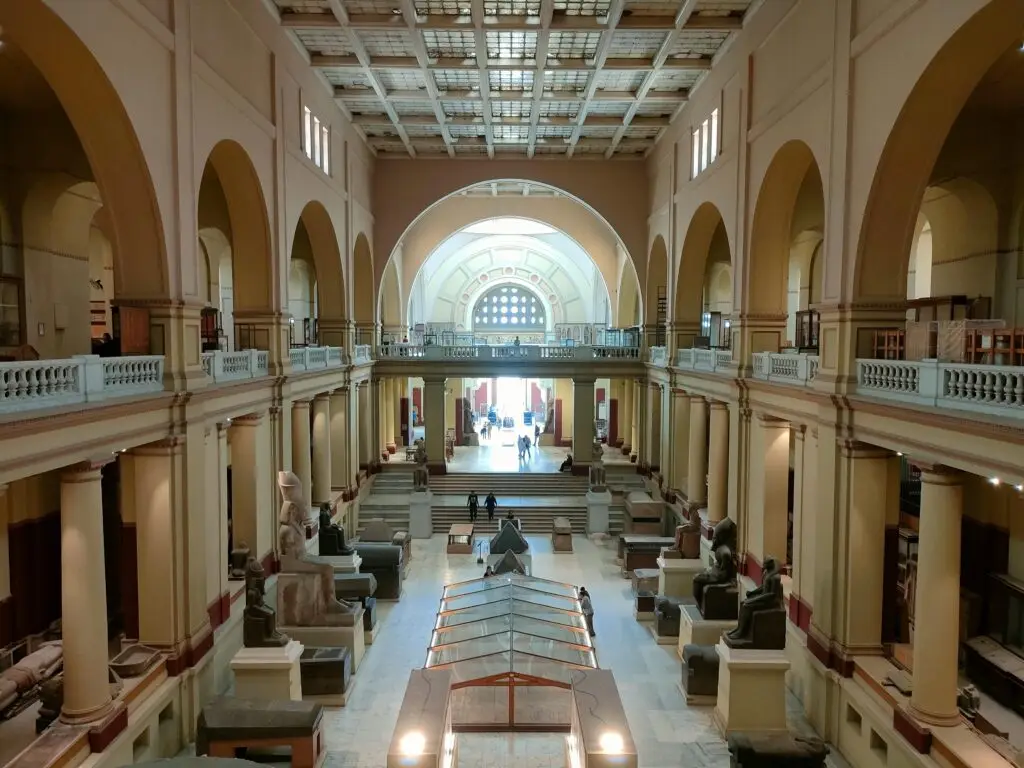
Egypt, a country that boasts one of the world’s oldest and most fascinating civilizations, Grand Egyptian Museum has long been a hub for history enthusiasts, archaeologists, and travelers seeking to witness the grandeur of its past. Among the many iconic historical landmarks in Egypt, the Grand Egyptian Museum (GEM) stands out as an unparalleled symbol of Egypt’s rich heritage. The museum promises to offer a world-class experience that combines ancient artifacts with cutting-edge technology, making it one of the most anticipated cultural projects in the world.
In this article, we will explore the significance of the Grand Egyptian Museum, its history, architecture, the treasures it houses, and why it should be on every traveler’s bucket list. We will also delve into the cultural importance of the museum, its contribution to the preservation of Egypt’s ancient history, and the future impact it will have on tourism and education in Egypt.
What is the Grand Egyptian Museum?
The Grand Egyptian Museum (GEM) is an ambitious and state-of-the-art museum located on the Giza Plateau, just a short distance from the iconic Pyramids of Giza and the Sphinx. The museum is set to be one of the largest archaeological museums in the world, dedicated exclusively to ancient Egyptian civilization. Covering an area of 480,000 square meters, the GEM will house over 100,000 artifacts, many of which have never been displayed to the public before.
The museum’s design integrates both the grandeur of Egypt’s ancient past and modern architectural principles, creating a space that is not only functional but visually stunning. The Grand Egyptian Museum is set to revolutionize how visitors experience Egypt’s incredible history, offering a more immersive and educational experience than ever before.
The Vision Behind the Grand Egyptian Museum
The idea for the Grand Egyptian Museum was conceived in the early 2000s, with the goal of creating a dedicated space for the vast collection of artifacts that had outgrown the Egyptian Museum in Tahrir Square, Cairo. The old museum, while iconic, was no longer able to properly display and protect the treasures of ancient Egypt. The GEM was designed to address these challenges by providing modern facilities for preserving and displaying Egypt’s ancient artifacts while also offering a more engaging experience for visitors.
The GEM will not only house Egypt’s most famous antiquities but also serve as an educational and cultural center, offering visitors insight into the country’s long history. In addition, the museum’s design and location have been carefully selected to ensure it complements the iconic Giza pyramids and the surrounding archaeological sites, providing a seamless connection between Egypt’s ancient and modern landmarks.
Key Objectives of the Grand Egyptian Museum:
- Preservation of Egypt’s Heritage: The GEM will serve as a world-class conservation facility, ensuring that Egypt’s invaluable historical treasures are properly preserved for future generations.
- Enhanced Visitor Experience: The museum aims to provide a more interactive and immersive experience for visitors, utilizing advanced technology and multimedia presentations.
- Cultural Education: The museum will offer educational programs, workshops, and events to help visitors of all ages learn about the rich cultural heritage of Egypt.
- Promotion of Tourism: By housing such a significant collection of artifacts, the GEM is expected to boost Egypt’s tourism industry, drawing millions of visitors from around the world.
The Architecture of the Grand Egyptian Museum
Designed by the architectural firm Heneghan Peng Architects, the Grand Egyptian Museum combines contemporary design elements with references to ancient Egyptian aesthetics. The building’s structure is a fusion of sleek modern lines and symbolic elements that evoke the grandeur of Egypt’s ancient civilization.
Architectural Features:
- The Grand Entrance: The entrance of the GEM is an imposing structure, with a grand staircase leading visitors into the museum. The building’s layout is designed to provide visitors with sweeping views of the Pyramids of Giza, creating a powerful connection between the museum and the surrounding historical sites.
- The Glass Facade: One of the most striking features of the museum is its glass facade, which allows natural light to flood the interior, creating a bright and airy environment for visitors. The glass panels also serve as a reflection of the museum’s modernity and transparency.
- Symbolic Design: The museum’s design incorporates elements inspired by ancient Egyptian architecture, such as the use of sandstone and geometric forms. The museum’s shape is also symbolic, with the structure resembling a pyramid from certain angles, linking the building to the iconic shape of the ancient pyramids.
- Climate Control and Conservation: The GEM is equipped with state-of-the-art climate control systems to ensure that the delicate artifacts are kept in optimal conditions. This includes temperature and humidity regulation, which is crucial for the preservation of ancient materials like papyrus, wood, and stone.
Treasures of the Grand Egyptian Museum
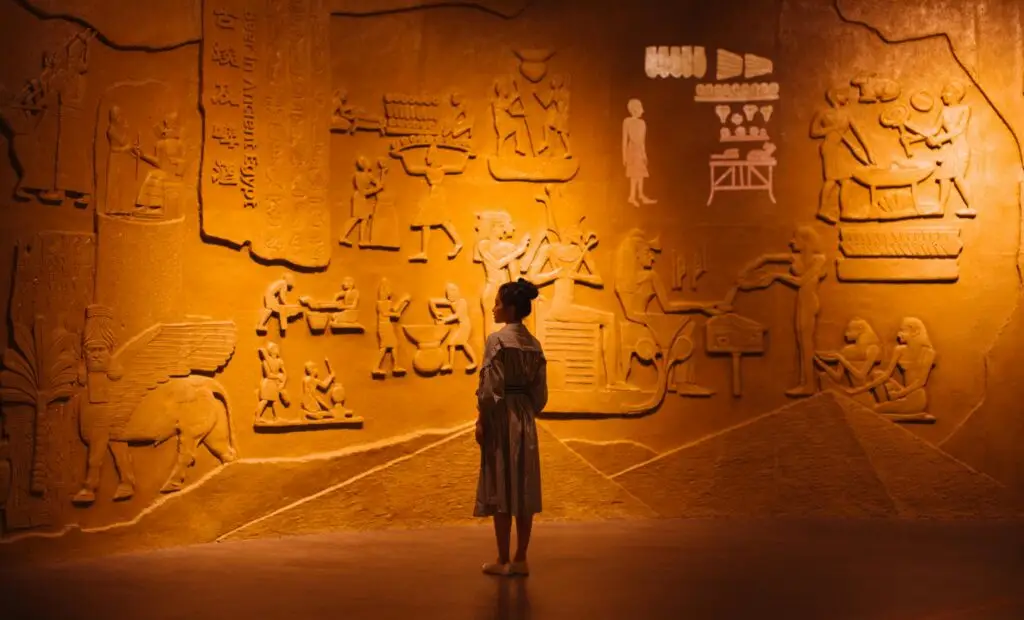
The Grand Egyptian Museum will house some of the most significant and valuable artifacts from ancient Egypt, many of which have never been on display before. The museum’s collection spans over 5,000 years of history, offering an unparalleled look into the art, culture, and daily life of ancient Egyptians.
1. The Treasures of King Tutankhamun
One of the most anticipated features of the Grand Egyptian Museum is the collection of treasures from King Tutankhamun’s tomb. These artifacts were discovered in 1922 by British archaeologist Howard Carter, and they have since become some of the most famous ancient Egyptian artifacts in the world. The GEM will house 5,000 objects from Tutankhamun’s tomb, including his iconic golden mask, jewelry, weapons, and the famous Tutankhamun chariot.
The entire collection from the tomb of King Tutankhamun will be displayed in a specially designed Tutankhamun Hall, allowing visitors to experience the wonders of the tomb in a carefully curated environment.
2. The Great Sphinx and Other Monuments
The museum’s proximity to the Pyramids of Giza means that it will also feature several large monuments and statues, including parts of the Great Sphinx and statues of pharaohs like Ramses II and Akhenaten. The GEM will provide a unique opportunity to view these colossal pieces of art up close, offering context about their historical and cultural significance.
3. Mummies and Funerary Artifacts
The museum will also showcase a wide range of mummies, including some of Egypt’s most famous royal mummies. These mummies, many of which are from the New Kingdom period, offer a glimpse into the ancient Egyptian practice of mummification and the elaborate burial rituals that were carried out to honor the dead. In addition to the mummies, the museum will display a wide variety of funerary artifacts, including sarcophagi, jewelry, and burial items that were meant to accompany the deceased into the afterlife.
4. Everyday Life in Ancient Egypt
Beyond the grand treasures and royal tombs, the Grand Egyptian Museum will also display artifacts from everyday life in ancient Egypt. These include tools, pottery, clothing, and other items that help tell the story of how ordinary Egyptians lived, worked, and interacted with their environment.
The Impact of the Grand Egyptian Museum on Tourism
The Grand Egyptian Museum is set to be a major driver of tourism in Egypt. By housing an unparalleled collection of artifacts from ancient Egypt, the GEM will become a must-visit destination for history lovers, cultural tourists, and travelers from around the world. The museum is expected to attract millions of visitors annually, offering a significant boost to Egypt’s tourism industry and its economy.
1. Job Creation and Economic Growth
The opening of the Grand Egyptian Museum will create thousands of jobs in various sectors, including tourism, hospitality, education, and cultural management. The museum will also serve as a hub for research and archaeological studies, providing opportunities for scholars and students from around the world to engage with Egypt’s ancient history.
2. Educational and Cultural Tourism
The GEM is not only a destination for tourists but also an important center for cultural and educational exchange. The museum will host educational programs, workshops, and events designed to engage visitors of all ages and backgrounds. It will also serve as a resource for researchers and scholars, further cementing Egypt’s status as a leader in the field of archaeology and Egyptology.
FAQ About the Grand Egyptian Museum
1. When will the Grand Egyptian Museum open?
The Grand Egyptian Museum is scheduled to open its doors to the public in 2022, with the completion of the final phases of construction and installation of exhibits.
2. Where is the Grand Egyptian Museum located?
The Grand Egyptian Museum is located on the Giza Plateau, just a few kilometers from the Pyramids of Giza and the Sphinx, making it one of the most accessible and visually spectacular museums in the world.
3. What can I see at the Grand Egyptian Museum?
The Grand Egyptian Museum will showcase over 100,000 artifacts from ancient Egypt, including the treasures of King Tutankhamun, mummies, monumental statues, everyday items from ancient Egyptian life, and much more.
4. Is the Grand Egyptian Museum open to tourists?
Yes, the Grand Egyptian Museum is set to become one of the top tourist destinations in Egypt. It will be open to both local and international visitors.
5. How will the museum contribute to Egypt’s economy?
The Grand Egyptian Museum is expected to attract millions of visitors annually, boosting Egypt’s tourism industry and generating significant economic growth through job creation, tourism-related businesses, and international investment.
Conclusion
The Grand Egyptian Museum is not only a tribute to the ancient wonders of Egypt but also a symbol of the country’s ongoing commitment to preserving and sharing its incredible heritage with the world. With its state-of-the-art design, impressive collection, and strategic location near the Pyramids of Giza, the GEM is poised to become a global cultural landmark. Whether you’re a history enthusiast, a tourist seeking to explore Egypt’s ancient past, or someone looking to experience the magic of one of the world’s oldest civilizations, the Grand Egyptian Museum is set to offer an unforgettable journey into the heart of ancient Egypt.
Ideal Time to Visit Dubai: A Complete Guide to the Best Seasons for Travelers

