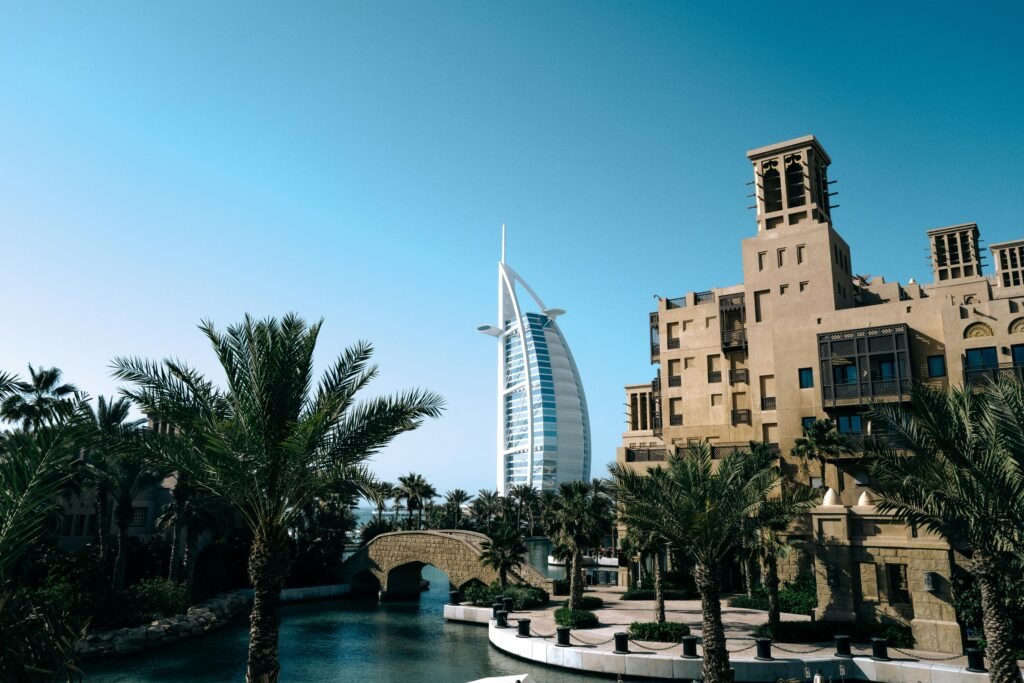
Dubai is known for its world-class architecture, luxury, and visionary projects, and one of its most iconic landmarks is the Palm Jumeirah. This incredible feat of engineering, design, and construction has become one of the most recognized man-made islands in the world. Known for its stunning design resembling a palm tree, the When Was Palm Jumeirah Built is an extraordinary blend of nature, architecture, and modern luxury. But when was Palm Jumeirah built, and how did it come into existence? Let’s take a deep dive into the history of the Palm Jumeirah, how it was constructed, and some fascinating facts about this architectural marvel.
What is Palm Jumeirah?
Palm Jumeirah is a man-made island that is part of a series of islands developed by the Dubai-based real estate company Nakheel Properties. It is part of the larger Palm Islands project, which also includes the Palm Jebel Ali and Palm Deira islands. The Palm Jumeirah is shaped like a palm tree with a trunk, fronds, and a crescent-shaped breakwater that surrounds it. This unique shape makes it stand out as one of the most stunning and recognizable artificial islands in the world.
Palm Jumeirah was created to accommodate luxury residences, hotels, resorts, shopping malls, and other recreational facilities. It has become a symbol of Dubai’s ambition and ability to create groundbreaking developments, reshaping the city’s coastline in a way that few could have imagined.
When Was Palm Jumeirah Built?
The construction of Palm Jumeirah is a monumental story in itself, reflecting the ingenuity and vision of Dubai. The island’s construction began in 2001, and it was completed in 2006. Here’s a breakdown of the construction timeline:
1. Initial Planning and Design (1999-2000)
The concept of Palm Jumeirah was conceived by Sheikh Mohammed bin Rashid Al Maktoum, the ruler of Dubai, in the late 1990s. His vision was to create a magnificent man-made island that would boost Dubai’s tourism and real estate sectors. The project was designed by Nakheel Properties, with the renowned Dutch dredging company Van Oord responsible for the construction.
The design was inspired by traditional Arab culture and Islamic art, with the palm tree shape symbolizing prosperity and growth. The palm tree shape would also ensure that the island had maximum shoreline, providing the residents and visitors with beautiful waterfront views.
2. Construction Begins (2001)
Construction of Palm Jumeirah officially began in 2001 with the dredging and reclamation of sand from the Persian Gulf. The process involved dredging approximately 94 million cubic meters of sand and 5 million tons of rock, which was used to create the island’s base. The island’s trunk and crescent were formed using this reclaimed sand.
To construct the fronds of the palm, the team had to use innovative techniques and specialized equipment, as each frond was carefully designed to ensure the structural integrity of the island while maintaining its unique shape.
3. Completion of the Island (2006)
By 2006, the main reclamation work was completed, and Palm Jumeirah began to take its full form. Over the next few years, development continued with the construction of luxury villas, hotels, and high-end apartments. The Atlantis The Palm resort, one of the most iconic hotels on the island, opened in 2008, further solidifying Palm Jumeirah’s status as a top luxury destination.
4. Ongoing Development (2006-Present)
Although the main infrastructure of Palm Jumeirah was completed in 2006, development on the island continues to this day. The area has seen the construction of several high-profile developments, including luxury homes, shopping areas, and world-class resorts. The island now hosts some of Dubai’s most exclusive addresses, attracting wealthy buyers and investors from around the globe.
Palm Jumeirah Construction Facts and Techniques
Building the Palm Jumeirah was no easy feat, and several groundbreaking techniques were used to create this impressive structure. Here are some fascinating construction facts:
1. Dredging and Reclamation
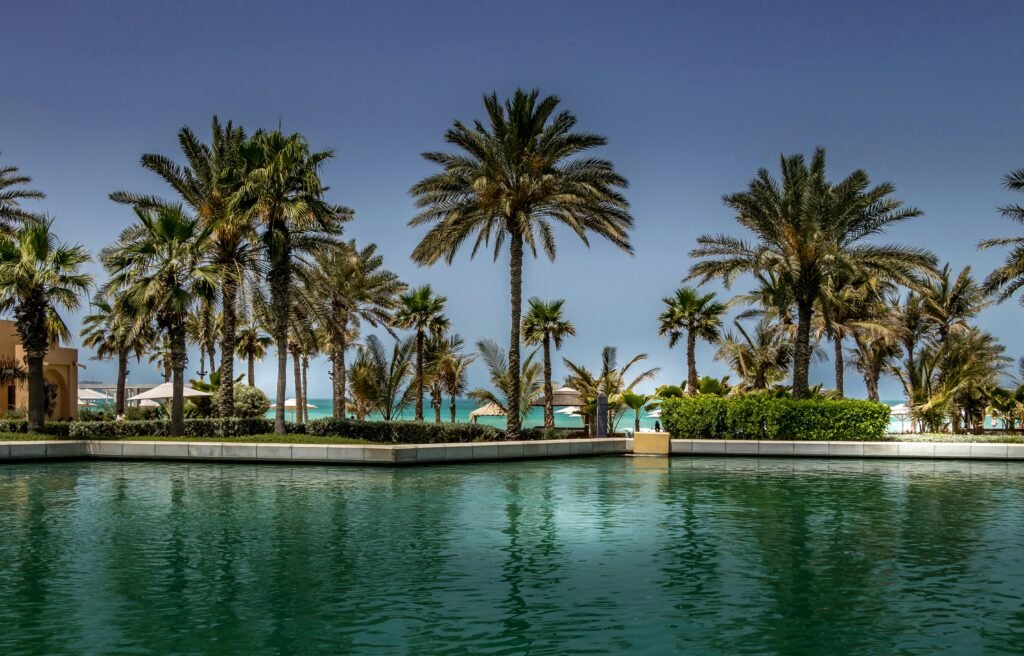
The majority of Palm Jumeirah’s landmass was created through dredging and reclamation from the sea. The project required the use of 12 dredgers, which pumped sand from the sea floor to form the island’s foundation. More than 94 million cubic meters of sand were used to create the island, and the work was done over a period of about five years.When Was Palm Jumeirah Built
2. Geotextile Fabric and Rock Armoring
To ensure that the island would be stable and resilient against erosion, the development team used geotextile fabric to protect the reclaimed land from the water. Additionally, the breakwater surrounding Palm Jumeirah was reinforced with rocks to protect the island from the impact of waves and to create a barrier from the open sea.
3. Innovative Landfill Methods
One of the key challenges during the construction of Palm Jumeirah was dealing with the varying depths of the seabed. To address this, the construction team used innovative landfill techniques to fill in the sea and ensure that the island would be able to support heavy buildings and structures.
4. Environmental Impact
Palm Jumeirah’s construction has raised questions regarding its environmental impact, particularly in terms of marine life. However, developers have taken steps to minimize the damage by using environmentally friendly techniques, such as creating artificial reefs in the surrounding waters to help foster marine life. These measures have helped mitigate the environmental footprint of the island’s construction.
The Significance of Palm Jumeirah
Palm Jumeirah is not just an architectural wonder; it is a symbol of Dubai’s ambitious vision to become a global leader in luxury tourism and real estate. The island has become a global icon and has been recognized as one of the “Seven Wonders of the Modern World” by many due to its groundbreaking construction techniques and architectural beauty.
1. Tourism Hub
Palm Jumeirah is a major tourism destination. It is home to some of Dubai’s most luxurious hotels, including the Atlantis The Palm, W Dubai – The Palm, and several other five-star resorts. Tourists flock to the island to experience its world-class attractions, luxurious shopping, and exquisite dining options.
2. Real Estate Investment
The island has become one of the most desirable addresses in Dubai, attracting high-net-worth individuals from all over the world. The real estate market on Palm Jumeirah is among the most lucrative in Dubai, with properties that offer unmatched views of the Arabian Gulf, the Dubai skyline, and the Palm Jumeirah itself.
3. Iconic Landmarks
Palm Jumeirah is home to several landmark developments, including the Atlantis Aquaventure Waterpark, The Pointe, and the Palm Jumeirah Monorail, which connects the island to the mainland. These attractions have cemented Palm Jumeirah’s reputation as a world-class leisure and entertainment hub. – When Was Palm Jumeirah Built
Fascinating Facts About Palm Jumeirah
- Palm Jumeirah’s Size: The island covers an area of about 5.72 square kilometers and is 300 meters wide and 17 kilometers long from end to end.
- Height of Construction: The palm’s trunk is 2 kilometers long, while each frond stretches over 1.5 kilometers. The island is encircled by a crescent-shaped breakwater, which provides protection against strong waves.
- Economic Impact: Palm Jumeirah has significantly contributed to Dubai’s economy by increasing tourism, luxury real estate demand, and creating thousands of jobs.
- Man-Made Wonder: Palm Jumeirah is one of the largest man-made islands in the world and is a prominent example of modern engineering and construction techniques.
When Was Palm Jumeirah Built?
Palm Jumeirah was officially completed in 2006, with the Atlantis The Palm Resort opening in 2008. Construction started in 2001 and took several years of meticulous planning and innovative engineering to create this world-renowned landmark. It was a groundbreaking project that symbolized Dubai’s ambition to innovate and create a lasting legacy. – When Was Palm Jumeirah Built
Timeline of Construction:
- 1999-2000: Conceptualization and planning of the Palm Jumeirah project.
- 2001: Construction of the island officially began.
- 2006: The primary structure of Palm Jumeirah was completed, and the first residential and commercial units were handed over.
- 2008: The Atlantis The Palm Resort opened, further solidifying the island’s status as a global luxury destination.
- Present: Palm Jumeirah continues to grow, with ongoing developments in hospitality, residential, and commercial sectors.
The Best SEO Services for Small Businesses: How to Choose the Right Solution for Your Brand
FAQ About Palm Jumeirah
1. What is Palm Jumeirah?
Palm Jumeirah is a man-made island in Dubai, designed to resemble a palm tree. It is one of the most recognizable and iconic landmarks in Dubai, hosting luxury residences, hotels, resorts, and shopping centers.
2. When was Palm Jumeirah built?
Construction of Palm Jumeirah began in 2001 and was completed in 2006. The island officially opened to the public in 2008, with the opening of the Atlantis The Palm Resort.
3. Who built Palm Jumeirah?
The Palm Jumeirah was developed by Nakheel Properties, a prominent Dubai-based real estate developer. The project was launched under the leadership of Sheikh Mohammed bin Rashid Al Maktoum, the ruler of Dubai.
4. How big is Palm Jumeirah?
Palm Jumeirah covers an area of 5.72 square kilometers and stretches over 17 kilometers from the trunk to the crescent, with a 300-meter-wide base.
5. What is the purpose of Palm Jumeirah?
Palm Jumeirah was created to increase Dubai’s waterfront property and tourism offerings. It is home to luxury hotels, private villas, residential properties, and retail spaces.
6. Can you visit Palm Jumeirah?
Yes, Palm Jumeirah is open to the public and is a popular tourist destination. Visitors can explore its beaches, dine at world-class restaurants, visit resorts like Atlantis The Palm, and shop at The Pointe.
7. Is Palm Jumeirah a good investment?
Yes, Palm Jumeirah remains one of the most desirable and lucrative real estate markets in Dubai, with high demand for luxury properties and its status as a top tourist destination.
Conclusion
Palm Jumeirah is not just an architectural marvel; it is a testament to Dubai’s ambition and vision. From its inception in 2001 to its completion in 2006, Palm Jumeirah has become a symbol of modern engineering and luxury. Whether you’re visiting for tourism, investing in real estate, or simply marveling at its beauty, Palm Jumeirah remains one of the world’s most unique and desirable locations. It continues to attract attention from around the globe, representing the future of luxury living and tourism in Dubai.